
An invitation that becomes a lantern
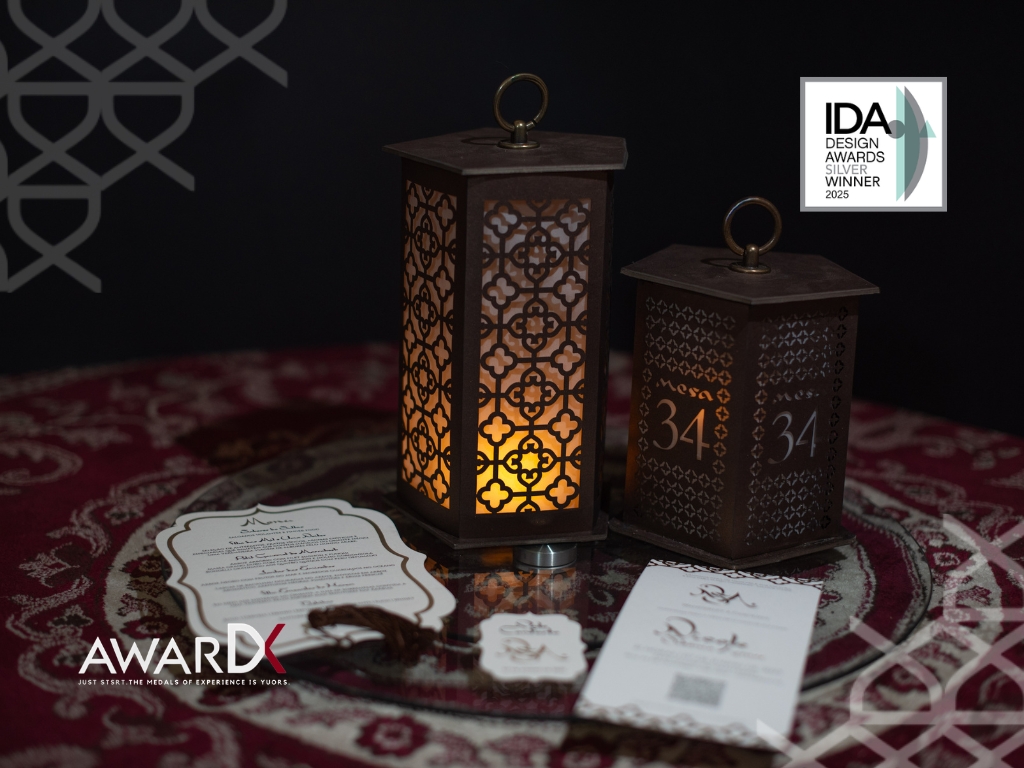
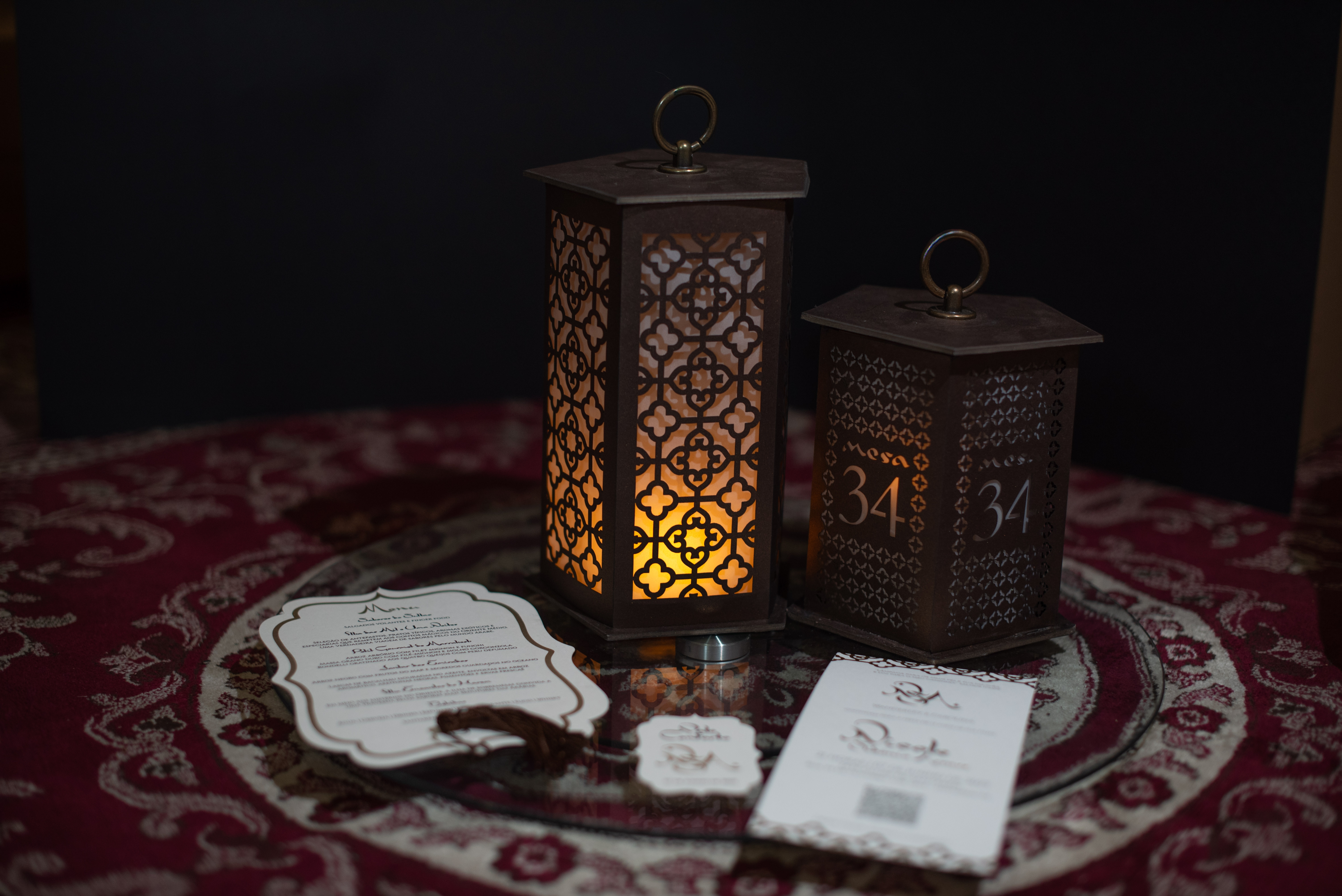
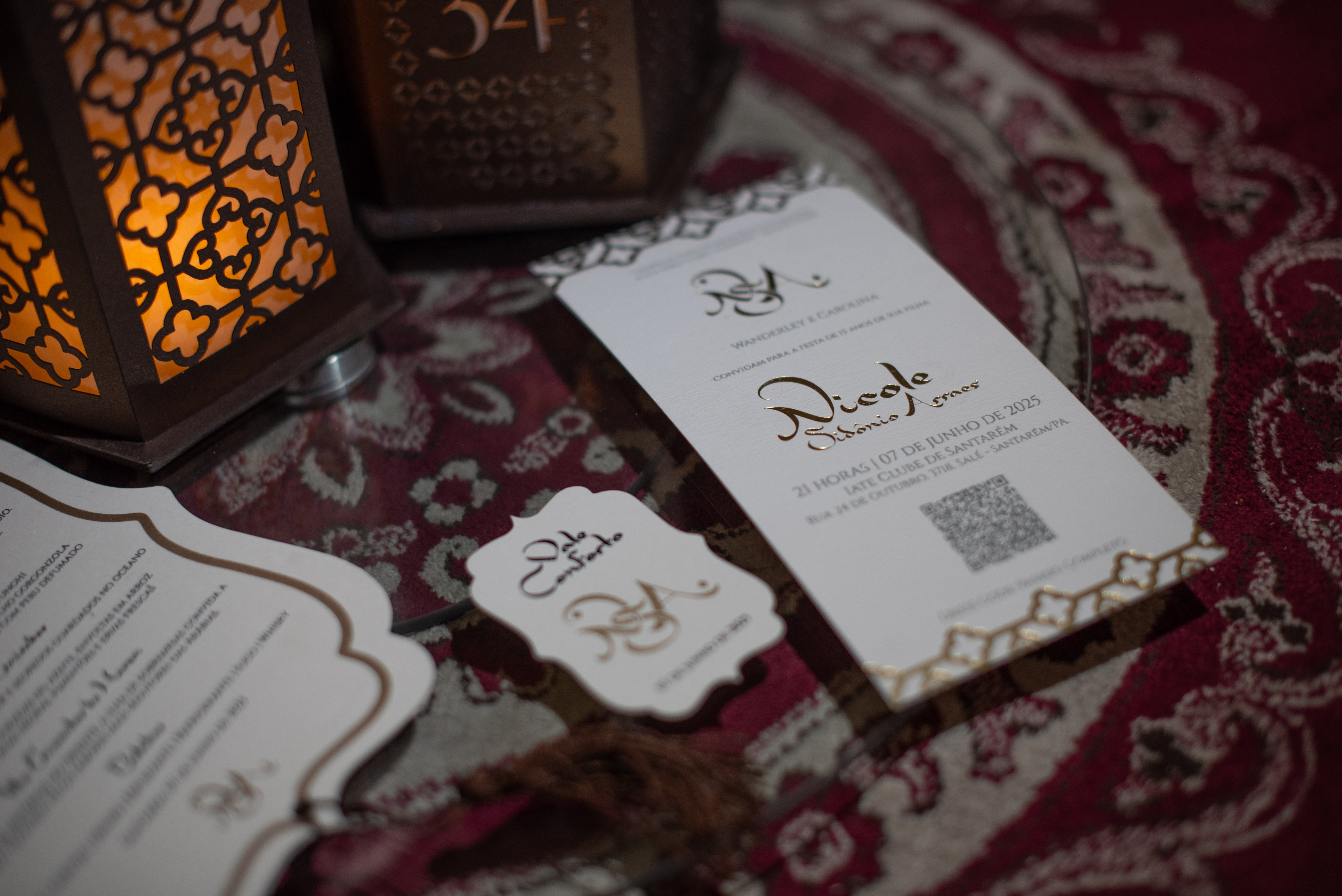
Raquel de Amorim Bottaro’s Zarifah Nuraya is a stationery project that reads like a ritual: laser-cut pentagonal lanterns serving as invitations, table markers and menu vessels that glow softly from a hidden base. Produced by Artes Gráficas Cândida Amorim for client C. Sidônio Arraes, the project blends paper engineering, hot-stamping, layered printing and tactile materials to turn a printed suite into an immersive, sensorial celebration — a Silver winner in Print / Stationery at the International Design Awards. International Design Awards
What Zarifah Nuraya actually is
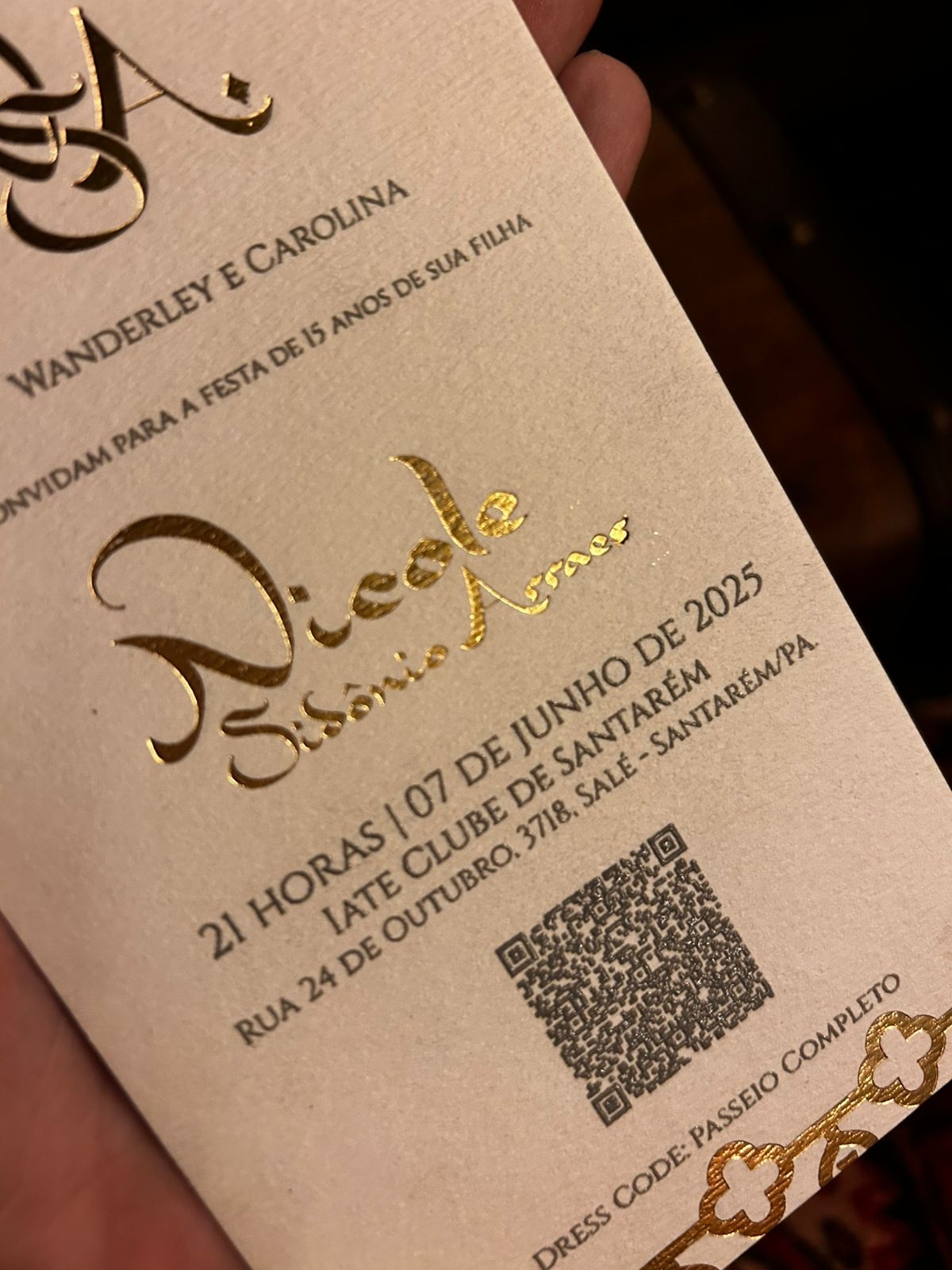
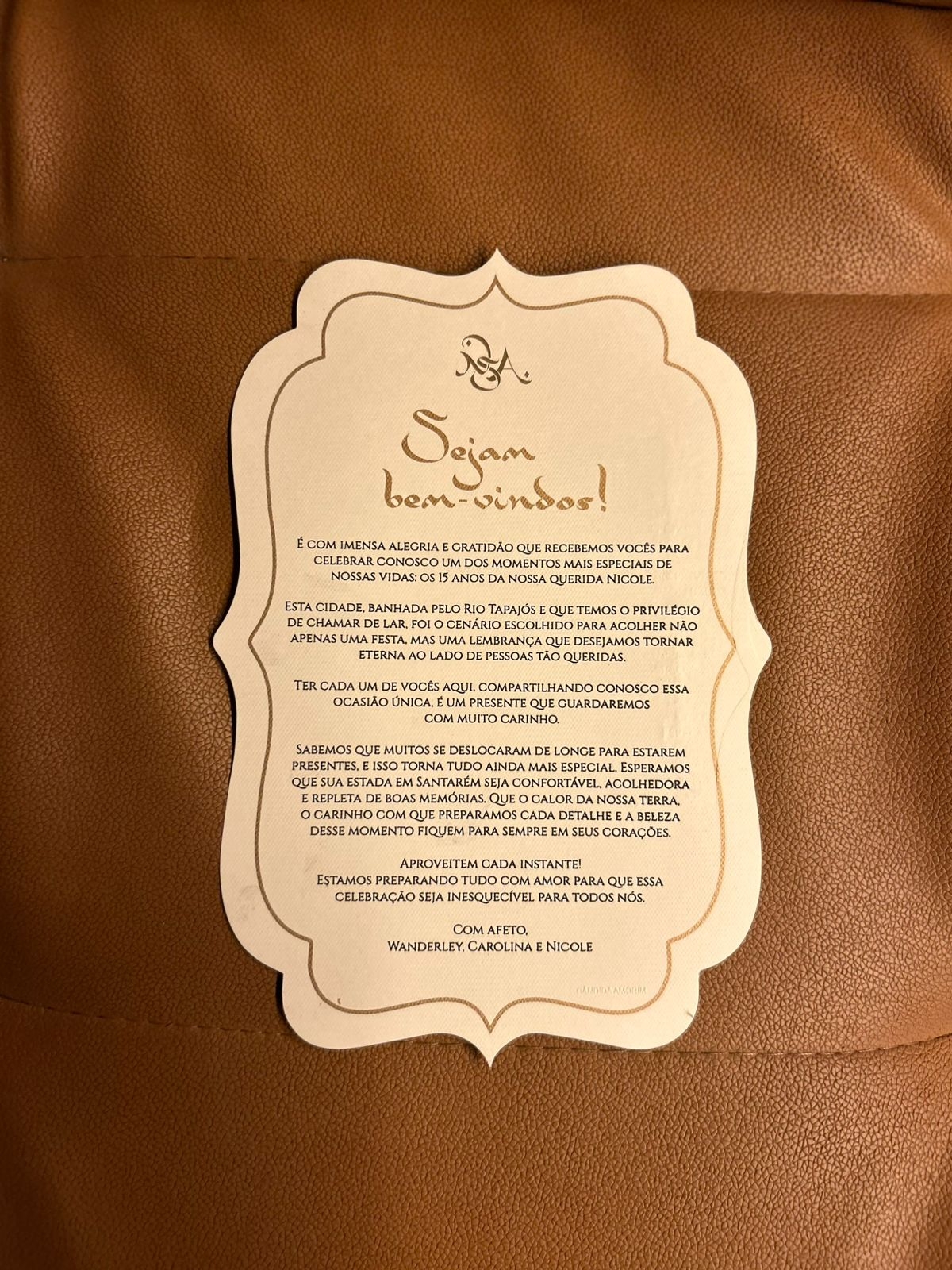
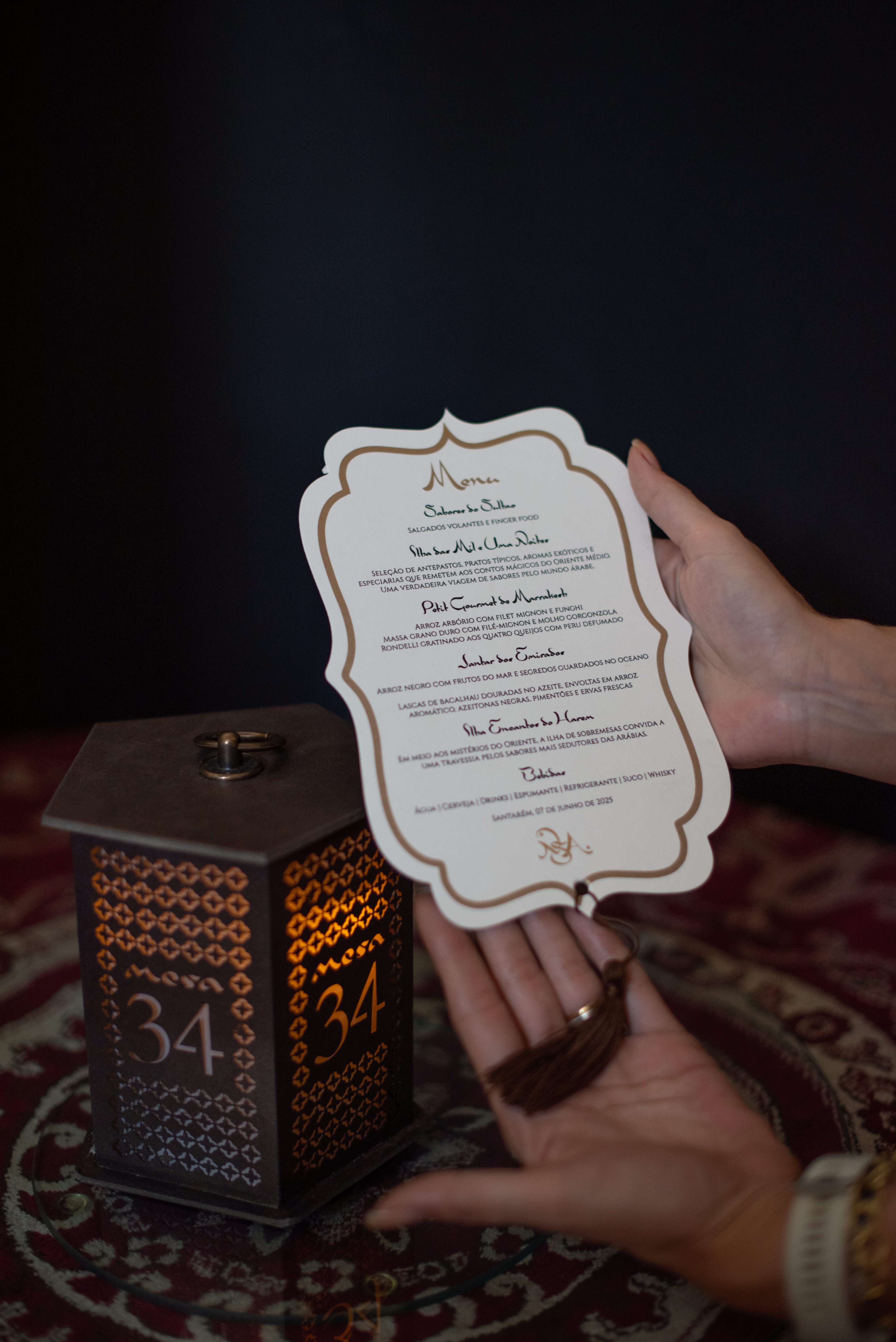
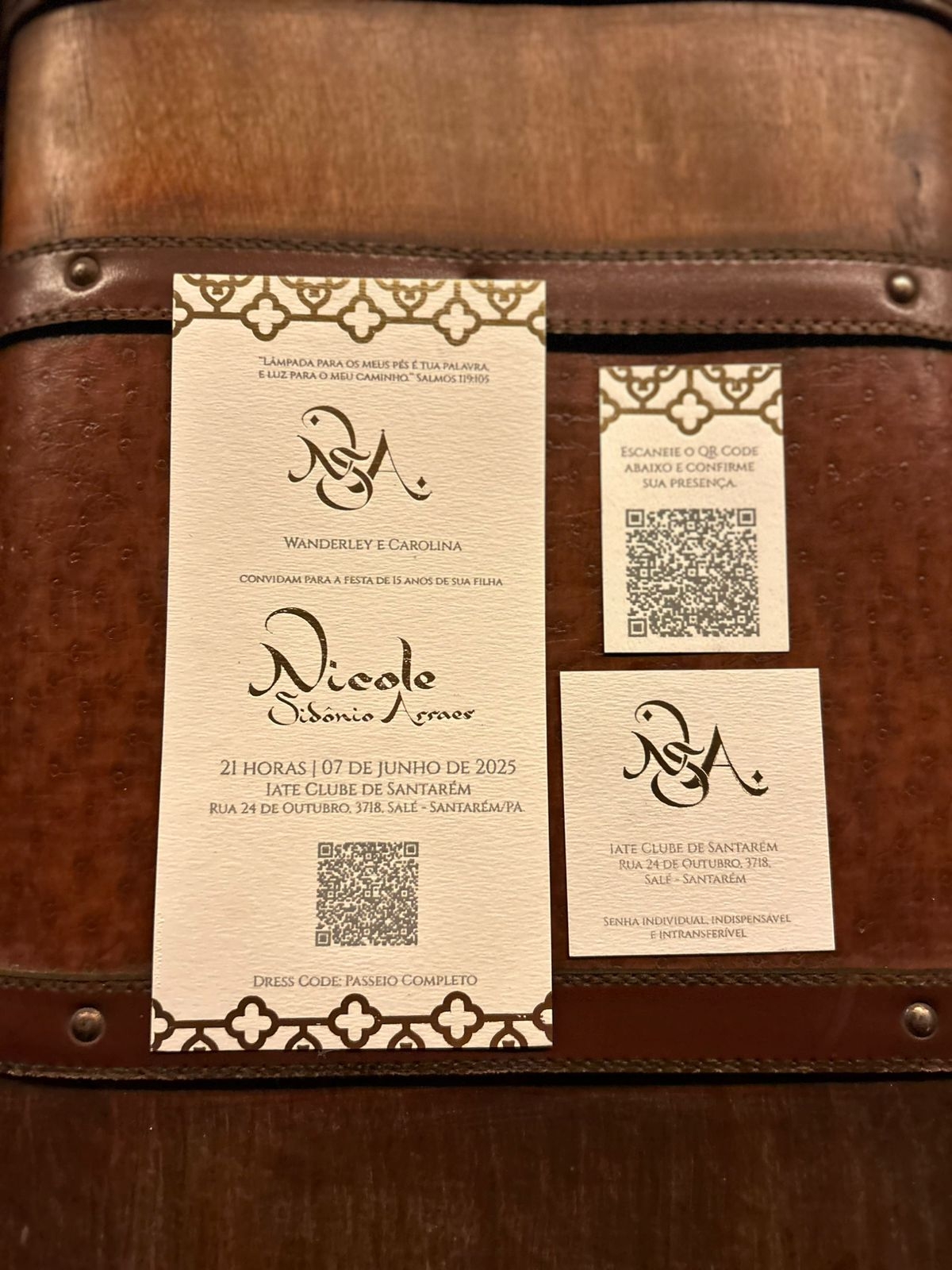
At first glance Zarifah Nuraya is a collection: invitation, menu, welcome card and a table marker. At second glance it’s a mini installation — a laser-cut pentagonal lantern whose panels are printed, foiled and embossed, then folded into a three-dimensional object with a softly lit base. Every item participates in a single identity system (color, texture, typographic tone) so the event feels unified from arrival to table. The project’s material choices — shimmering brown paper, a rigid 500 g board and matte gold foil — give physical weight and a tactile luxury that photographs and flat invites rarely achieve.
Designer mindset — ceremony, tactility and quiet symbolism
The brief was cultural and poetic: create an object that speaks of Arabic inspiration while functioning beautifully as an invitation and a table asset. Raquel’s approach treated light and shadow as primary graphic elements. She asked: how does paper carry light? How does a fold become a frame for a wick of light? The answer was to build layers — visual (foil over print), textural (emboss over board), and structural (laser cut over fold) — so the object operates simultaneously as a read, a touch and a glow. The design leans on restraint: symbolism is suggested (pentagonal geometry, layered surfaces) rather than being literal or decorative for its own sake.
Research & concepting — a cultural and material sketchbook
Concept development combined archival research into Arabic motifs and ceremonial lanterns with material experiments. The team translated motifs into pentagonal rhythm and stepped the visual system so it could read at small scale (menu) and large scale (lantern). Rapid material studies — foil tests, emboss depths, and paper opacity samples — defined a constrained palette. Early sketches moved quickly into layered mockups: printed sheets with foil swatches and laser-cut apertures taped into tentative lantern shapes to feel weight, light leakage and folding sequence.
Material strategy — paper, foil and the language of finish
Materials do the storytelling work. A shimmering brown stock gives a warm, tactile base; a 500 g rigid board provides structure for precise embossing and laser edges; and matte gold foil offers a restrained metallic highlight that reads as heritage rather than glam. Embossing depth is calibrated to catch low light and show shadow; foil saturation is kept soft to avoid glare. The combination yields a unified sensory identity: the paper feels like dusk, the foil like a hint of gold thread, and the rigid board like a relic — all appropriate to an Arabic-inspired celebration.
Paper engineering & production — folding, cutting and light integration
Turning a flat sheet into a lit lantern required careful engineering. Laser cutting creates crisp apertures and precise kerfs but also scorches edges; the team adjusted laser power and cutting speed to avoid thermal discoloration. Folding lines were scored rather than cut to ensure clean, repeatable creases on 500 g board. Assembly jigs were prototyped so the pentagonal forms could be produced consistently in small batches. Crucially, the base houses a soft LED module: designers specified low heat, diffuse LED puck lights to prevent paper scorching and to provide even, warm illumination that reads through the cut patterns.
Prototyping — iterate with light in the room
Prototyping for Zarifah Nuraya was iterative and light-centric. Early mockups were evaluated in both daylight and dimmed room conditions to ensure the embossing and foil played well under ritual lighting. The team tested multiple LED intensities, diffuser domes and base heights to find the sweet spot where pattern legibility, glow softness and shadow play harmonize. Each prototype cycle adjusted emboss depths, foil coverage, and aperture sizes; small changes in panel cutout size dramatically altered the lantern’s silhouette when lit.
Print & finishing — marrying craft with repeatability
Production required balancing artisanal finishes with repeatable processes. Hot stamping dies were hardened and tested to maintain crisp foil transfer across many impressions. For layered printing, registration tolerances were tightened so emboss aligns perfectly with print and foil layers. The print team developed a two-stage workflow: first mass-print and foil, then cut and emboss in a separate pass. This separation reduces cumulative machine stress and improves yield — vital when working with high-cost board stocks.
Assembly & logistics — staging an event product
Because invites also function as table objects, packaging and transport become part of the brief. Each lantern ships flat with a small kit: a pre-scored base, a clipped LED puck with instructions, and a small ribbon or closure. On site, event staff assembly time is minimized: simple snap-tabs and a single light seat allow rapid setup. For table markers and menus, modular inserts slot into the lantern structure, letting the same piece shift role from invitation to centerpiece as the evening progresses.
Sensory design — sight, touch and the whisper of light
Zarifah Nuraya is less about overt spectacle and more about layering sensory cues. The audible hush of heavy paper, the tactile ridge of an embossed motif, the gentle warmth of gold foil under a fingertip, and the soft spill of LED through cut apertures combine into a memorable tactile ritual. The project treats a stationery suite like an installation — every touchpoint carefully composed to deepen the event experience.
Sustainability & material choices — durability vs. disposability
Working with premium boards raises sustainability questions. The team mitigated impact by specifying recyclable paper stocks where possible, minimizing inks and adhesive footprints, and designing the LED modules to be reusable across events. Where feasible, the lantern bases are intended for return and reuse, letting the decorative shells be swapped while preserving the light engine. This hybrid approach keeps the tactile experience without creating single-use waste.
Awards & impact — what juries appreciated
Zarifah Nuraya’s Silver in Print / Stationery recognises the project’s rigorous merging of concept, craft and production readiness. Juries typically rewarded the project’s empathetic storytelling (an invitation that becomes an installation), technical resolution (laser cut + embossing + LED safety) and market thinking (assembly, packaging and reuse strategy). The award amplifies the work’s reach into editorial and event-design conversations.
Lessons for designers & studios
Prototype with the final environment in mind — light matters more than daylight photos.
Treat finishing processes as design moves — emboss depth and foil saturation are core decisions.
Design for assembly — event products must be fast to set up and forgiving in the field.
Balance beauty and reuse — premium tactile objects can still support circular workflows.
Clarify production tolerances early to avoid costly rework on expensive board stocks.
Official links for further reading:
https://www.idesignawards.com/winners/zoom.php?eid=9-62459-25