

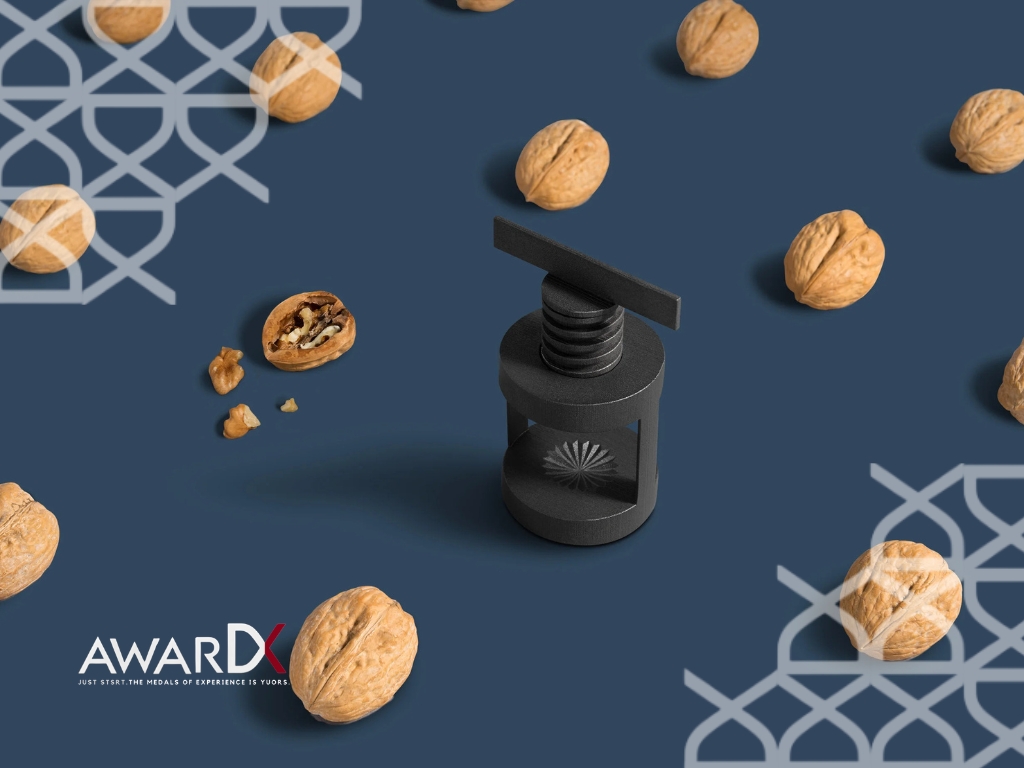
A nutcracker that reads like a mechanical sculpture
Torq is the kind of object that flips expectations: a humble kitchen task (cracking a nut) becomes a practiced mechanical gesture and a small ritual at the table. The piece is a compact cylinder that fits comfortably in the hand, uses precision grooves to guide motion, and shows what happens when a designer treats a utilitarian object as both tool and collectible. Torq was commissioned by OTHR and produced as a limited, matte-black, 3D-printed edition — a deliberate move to push the boundaries of form, material and process.

Why Torq matters — material honesty meets play
There are plenty of nutcrackers that rely on brute force or nostalgia; Torq instead offers control and delight. Its expression borrows from industrial components — grooves, indexed surfaces and a torque-focused motion — but is resolved with the care of a small consumer object. That combination matters because it demonstrates a modern design approach: respect the task (crack the nut cleanly), reduce the part count (two simple, printable halves), and create a refined object people want to hold and display. The result is functional, tactile, and surprisingly light for its strength thanks to a careful 3D-print structural strategy.
Design intent — thinking like a machinist and a storyteller
The designer’s brief here is subtle: make the act of cracking unembarrassing and precise. To do that, Josh Owen focused on three rules: (1) give the hand an ergonomic cylinder to stabilize the motion; (2) make the mechanical action intuitive so a novice can operate it safely; (3) celebrate the tool’s mechanics as aesthetic detail rather than hiding them. Grooves are not just decoration — they are the interface, teaching the user where to grip, how to twist and where the force is directed. The object’s matte finish and numbered edition treatment emphasize collectible status while preserving the honesty of function.

Material & process — why 3D printing was the right move
Torq explores what contemporary additive manufacture can offer beyond rapid prototypes. By 3D printing in metal (or metal-like composites for some editions), the design reduces wall thickness to the structural minimum and produces complex internal geometries that would be expensive or impossible with conventional casting or machining. The additive process permitted a light but strong shell, integrated alignment features for the two halves, and very fine groove detail that reads both visually and under the fingertip. Manufacturing in two easy-to-assemble parts also simplifies finishing and maintenance.
Prototyping — iterate with real materials and real nuts
Good design for tools is built on repeated, brutal testing. The Torq team prototyped with rapid-printed plastics, then moved to higher-fidelity metal prints to measure real behaviour. Tests weren’t just about whether the shell cracked a nut — they measured user posture, required torque, slippage, and how shell flex affected safety. Material trials also balanced tactile feel (no sharp edges), thermal behavior (metal can feel cold or hot in hand) and finish (matte vs satin changed perceived weight and value). These rigorous iterations are why the final object reads as both precise instrument and finished product.
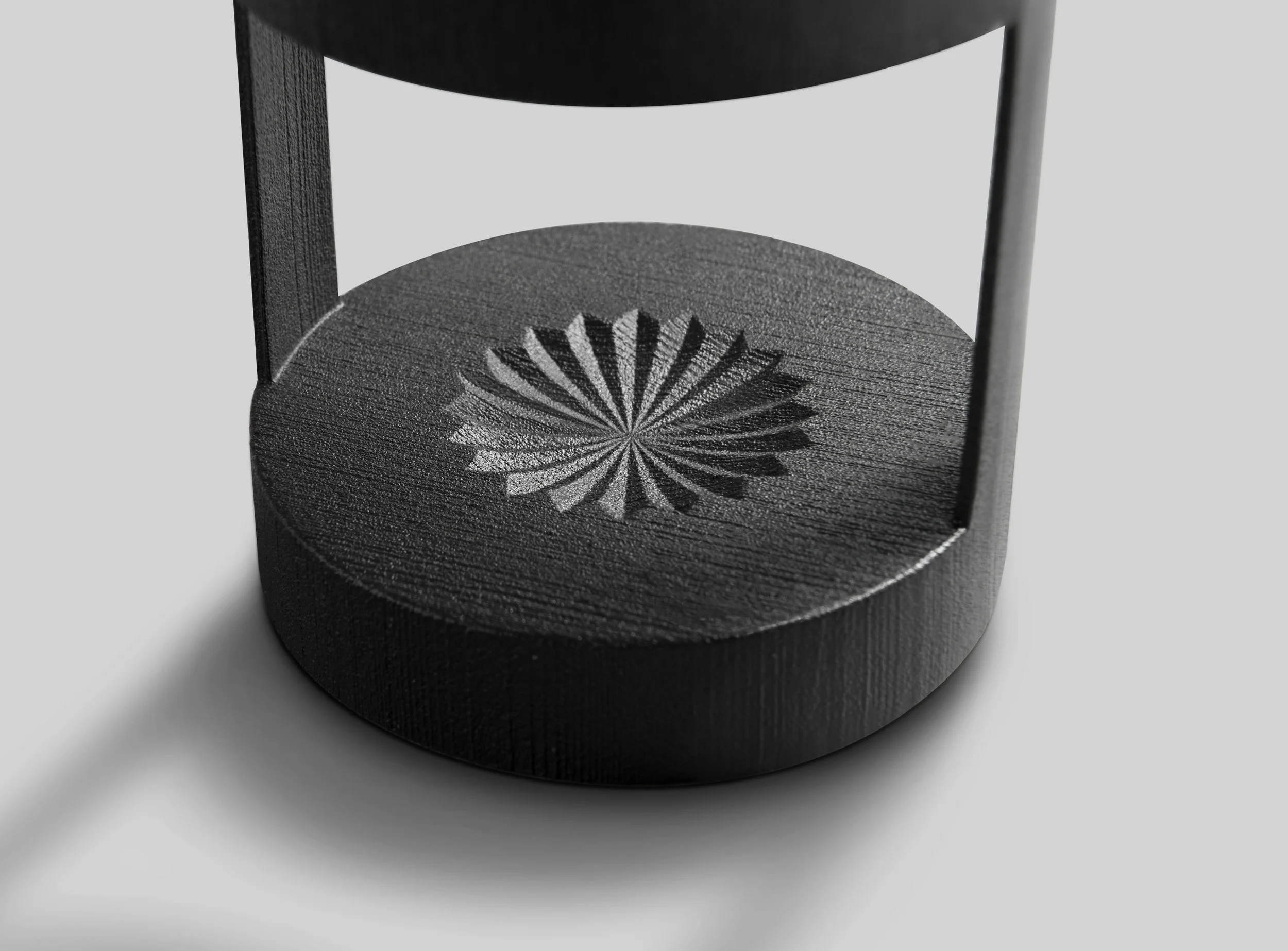
Engineering the interaction — groove geometry and torque mapping
The grooves on Torq are the product’s secret language. Their depth, pitch and spacing were tuned so that a small rotational movement increases mechanical advantage predictably. This mapping reduces peak forces and concentrates them on the nut rather than the user’s hand. In practice the grooves also provide immediate feedback: the user feels the mechanism engage, a satisfying tactile cue that yields confidence. Achieving that balance takes careful simulation plus hands-on trials to avoid unwanted binding or damaging shells.
Production, editioning and finish — craft meets reproducibility
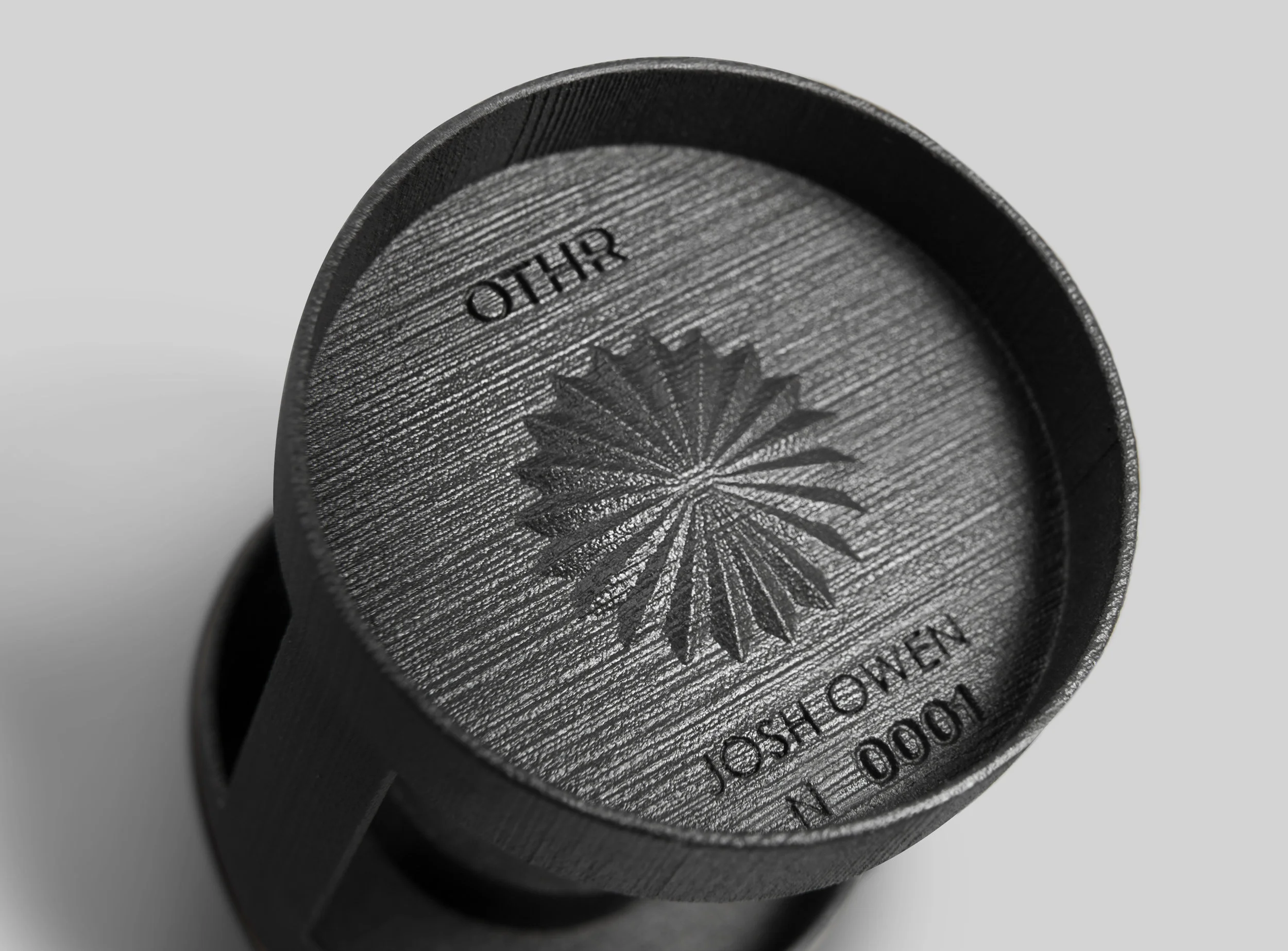
Although Torq reads hand-crafted, it was produced with reproducibility in mind. The design lends itself to small numbered runs — each unit receives a finish and QA pass — but the core geometry is fully repeatable via additive manufacturing. This lets the maker offer collectible runs (numbered editions) while ensuring each piece functions identically. Finishing choices (black matte surface, subtle texturing) are selected to hide minor printing artifacts and present a unified object on display, while internal features remain precise to keep the mechanics consistent.

Cultural reception — awards and museum recognition
Torq’s recognition on the awards circuit is a concrete signal that the project resonated: it received the Chicago Good Design Award and the Asia Design Prize, and it has been acquired for the permanent collection at the Centre Pompidou — significant validation that the piece transcends novelty and is considered of enduring design value. These accolades helped the object reach collectors, curators and institutions worldwide and reinforced the idea that carefully solved small objects can be museum-worthy.
Retail and collector strategy — small runs, big impact
Torq works best as a limited, numbered edition tied to a clear brand story (OTHR’s first 3D-printed mechanical object). Offer editions in small drops, include a certificate of authenticity, and provide clear care instructions (how to clean, how to re-torque if needed). Consider pairing the product with a short makers’ film or a behind-the-scenes booklet showing prototypes and testing — that context often lifts perceived value and helps collectors justify purchase beyond utility.
Lessons for designers and studios
Treat small objects like systems — the human interaction, manufacturing technology and finish strategy must all align.
Use additive manufacture to do new things (internal ribs, tuned wall thickness), not to copy old ones.
Prototype with the real use case — test with the actual material the product will touch (real nuts, in Torq’s case).
Make interaction legible — grooves, textures and form cues teach the user how to act.
Consider cultural placement early — museum acquisition and awards often follow clear documentation of process and impact.
Official links for further reading:
https://www.othr.com/projects/torq-nutcracker-by-josh-owen-1