


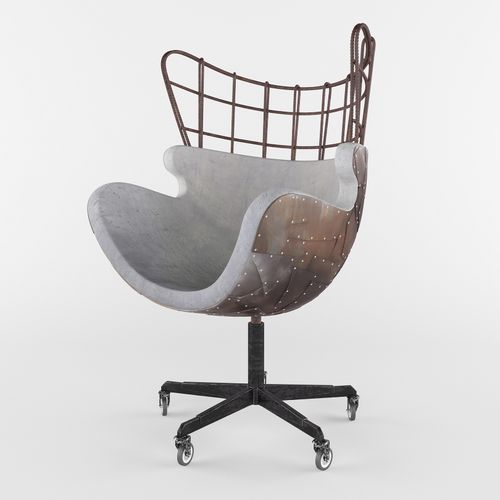
The Egg of Concrete (also shown as Egg Chair of Concrete) is a striking product-led piece that rethinks a modernist icon through raw, industrial materials. Conceived and built by Fatemeh (Solmaz) Fooladi and the Solmaz Primavera studio, the chair earned the Silver A’ Design Award in the Furniture Design category — a recognition that helped the piece reach international attention. ([competition.adesignaward.com][1])
The premise: product-first storytelling
This blog centers the product — its idea, material logic, craft challenges, and how the designer’s mindset shaped every decision. The Egg of Concrete is not presented as merely an object of form, but as a design narrative: a concrete-born seat that asks, “How can a heavy, urban material become intimate?” Use this post as a resource for teaching, exhibition copy, or product pages.
Designer background & mindset
Solmaz (Fatemeh) Fooladi has a cross-cultural design background — Iran-born and professionally active in Ukraine and elsewhere — and works under the Solmaz Primavera / Persian Primavera identity. Her practice often reinterprets classic shapes with rugged, industrial materials while keeping emotional warmth and human scale in mind. This hybrid cultural and material sensibility is central to Egg of Concrete: it bridges the elegance of modernist silhouette with the honesty of construction materials. ([competition.adesignaward.com][2])
Inspiration and concept
The starting point for Egg of Concrete is the iconic Egg Chair by Arne Jacobsen — not to copy it, but to use its enveloping, cocooning geometry as a conceptual springboard. The brief the designers set themselves was paradoxical: preserve the embracing comfort implied by the “egg” form while intentionally switching the expected soft materiality to concrete and visible metalwork. That tension — comfort vs. industriality — becomes the product’s defining experience. ([Archilovers][3])
Materials & structural thinking
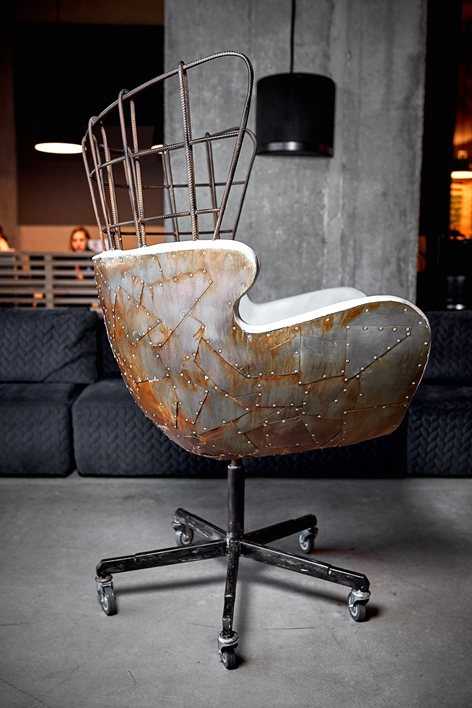
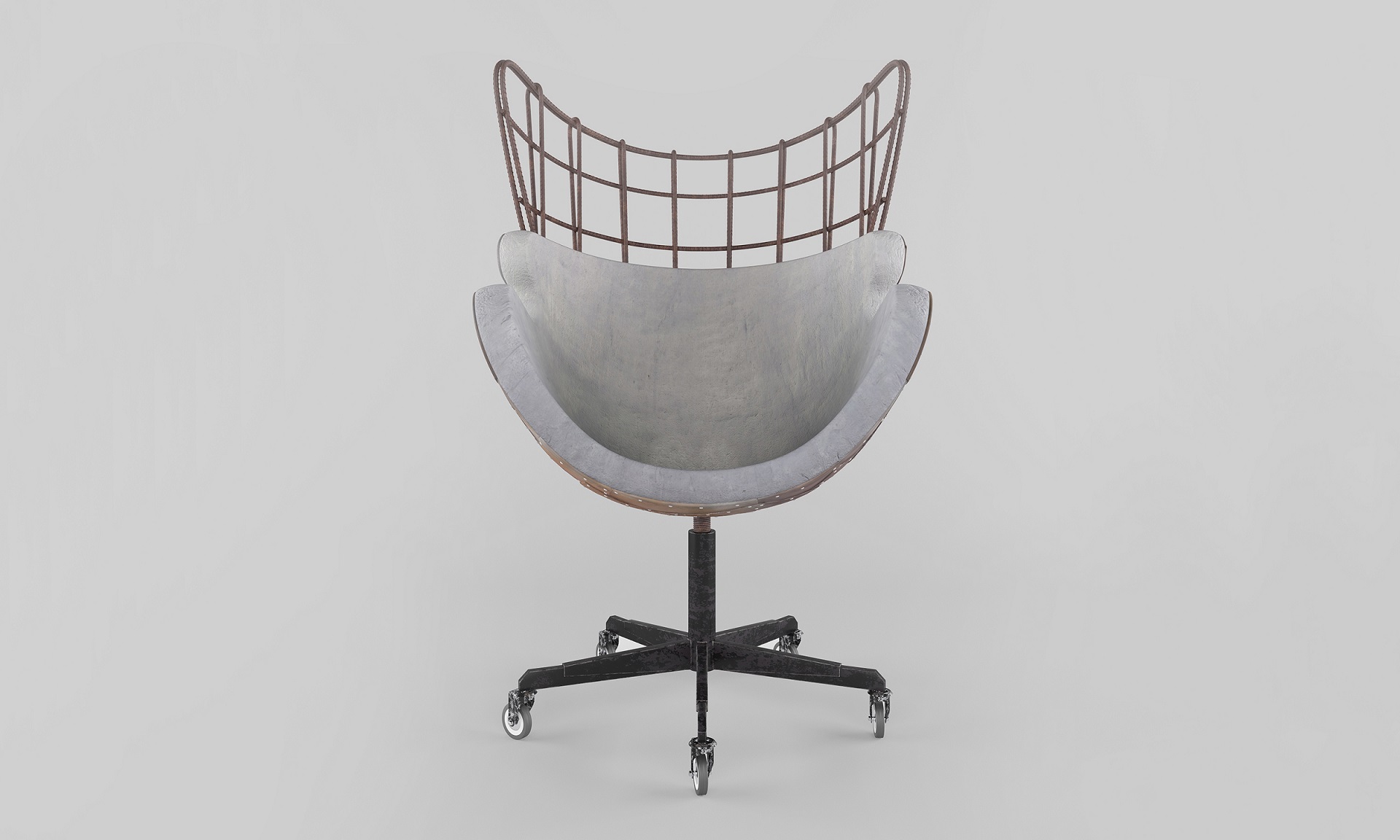
Egg of Concrete uses a lightweight concrete mix, reinforced rebar, and metal plates to achieve a balance of sculptural mass and structural integrity. The “lightweight” concrete approach reduces overall weight while maintaining the rough, tactile surface that gives the chair its character. Exposed rebar and a high rebar collar are deliberately left visible as an honest display of assembly and materiality. These choices are practical (structural stiffness, durability) and narrative (showing process). ([competition.adesignaward.com][1])
From sketch to prototype: the making process
- Concept sketches & silhouette studies — Start by mapping the Egg silhouette at multiple scales (adult seating, lounge proportions, high-back vs. low-back). Quick clay or foam mockups help test how the shell will wrap a seated body.
- Engineering the shell — Because concrete behaves differently than upholstery, the team explored a lightweight concrete recipe and internal reinforcement patterns. They iterated shell thickness, ribs, and internal voids to reduce weight without sacrificing stiffness.
- Tooling & molds — The shell needs a mold that captures the desired texture and draft. For small runs, reusable molds (fiberglass or CNC-milled foam) allow refinements between prototypes. Surface texture may be generated by the mold’s finish or by hand-applied treatments.
- Reinforcement integration — Rebar layout is planned early so it becomes part of the chair’s visual language. Where the rebar meets metal plates or base attachment points, careful welding and mechanical fasteners ensure longevity.
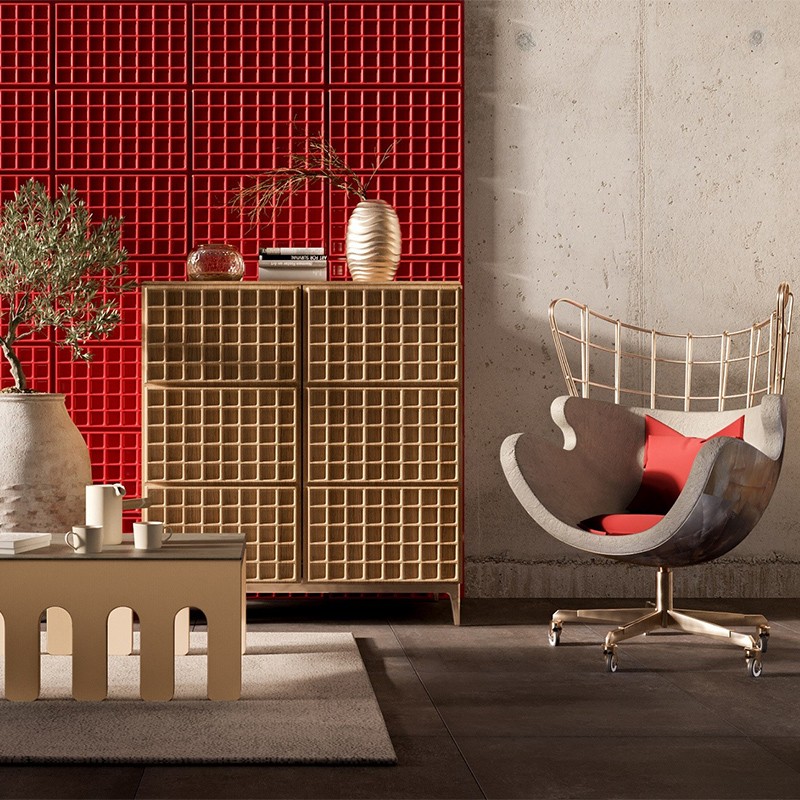
- Comfort tuning — Cushioning strategy: thin internal pads or separate textile cushions can be added to reconcile concrete’s hardness with human comfort. Ergonomic testing with users validates back support, seat height, and shell depth.
- Finishing & aging — Rust patinas on metal and raw concrete textures are considered part of the aesthetic; sealers may be applied selectively to control staining while keeping the tactile feel.
These stages reflect a practical product development cycle that prioritizes repeatability and material honesty.
Solving the weight & comfort paradox
Concrete + chair = obvious challenges. The design handles this with three complementary strategies: (1) a lightweight concrete mixture and hollow shell geometry to reduce mass, (2) an engineered metal base that carries loads efficiently, and (3) ergonomic shaping and optional soft cushions to deliver comfort—so the chair reads as sculptural yet livable. The result is a product that can be exhibited as an artwork while functioning as a piece of furniture.
A’ Design Award: why the recognition matters
Winning the Silver A’ Design Award elevated Egg of Concrete’s visibility and validated the piece’s combination of conceptual strength and technical craftsmanship. The award entry highlights the reinterpretation of classic modernist language using unexpected, industrial materials — precisely the kind of boundary-pushing approach juries often reward. For a product designer, such recognition opens doors to galleries, limited production runs, and press coverage. ([competition.adesignaward.com][1])
How to present this product on your site or catalog (product-first copy)
- Lead with a short line that names the object, material, and a single emotional hook (e.g., “Egg of Concrete — a cocoon of urban materiality”).
- Follow with a two-paragraph description: one for concept (form + idea), one for construction (materials + process).
- Add a compact specs box: dimensions, weight, materials, production method, finish options, and any award mentions.
- Include a “How it’s made” carousel or short video showing mold casting, rebar integration, and finishing to reinforce craft credibility.
- Provide a clear ordering or inquiry CTA for galleries and collectors.
Curatorial & commercial notes
- Position the chair as limited-edition or small-batch production to match the labor-intensity of concrete tooling.
- For galleries: emphasize the dialogue with modernism and industrial craft. For retail: highlight comfort solutions (cushion options) and maintenance notes.
- Consider variants: interior vs. weather-sealed exterior finishes, or smaller “footstool” derivatives using the same language.
Final thoughts
Egg of Concrete succeeds because it commits to a provocative material decision while respecting the ergonomic and narrative role of a chair. It’s a textbook example of product-led storytelling: every visible choice (texture, rebar, shell profile) communicates the design intent. For students and practitioners, the piece is a reminder that strong products are rarely neutral — they have a clear question and then answer it in form and make.
More information:
https://competition.adesignaward.com/design.php?ID=53112
https://www.instagram.com/solmazperimavera.vibes