

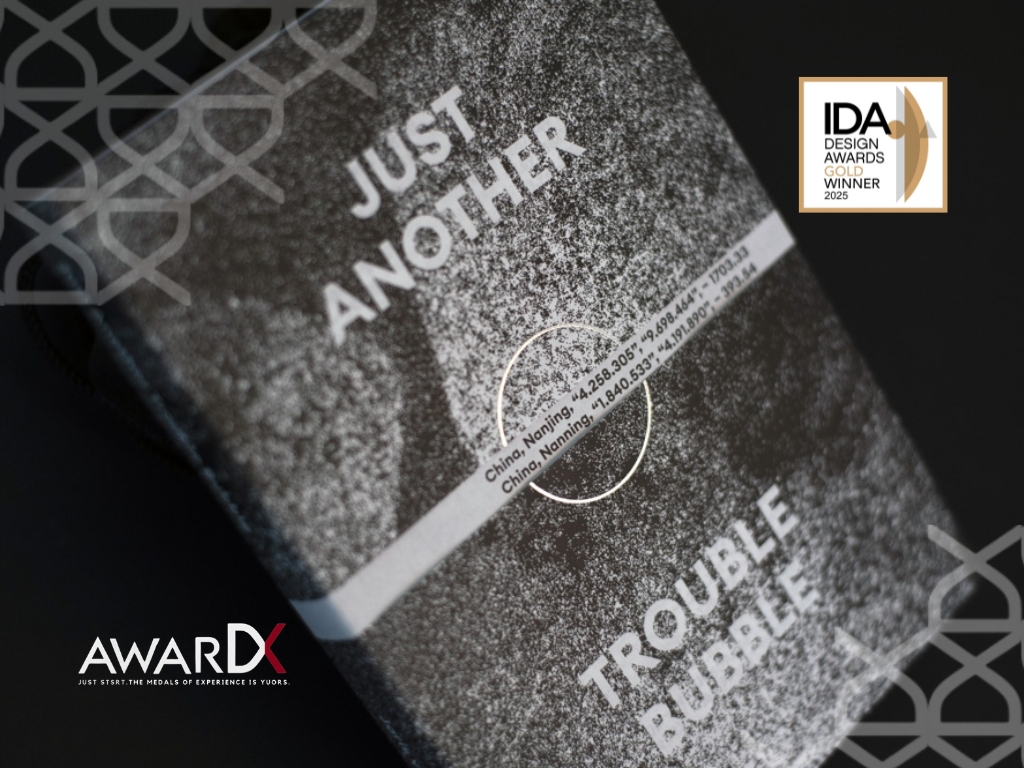
A quiet provocation
This artist book reads like a compact manifesto: images, camera metadata, mirrored surfaces and a deliberately open spine that refuses tidy separation between reader and subject. Its formal provocations ask a simple, urgent question — what does it mean to be free when our lives are recorded, quantified and reshaped by invisible systems? The book’s design does the asking as much as the text and images do the answering.
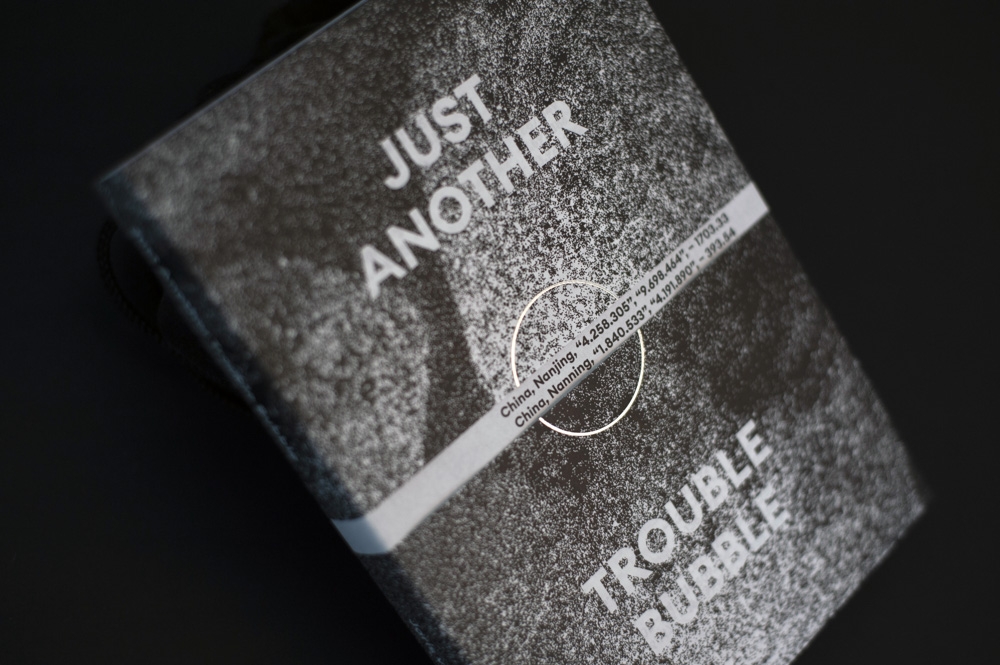
Why this book stands out
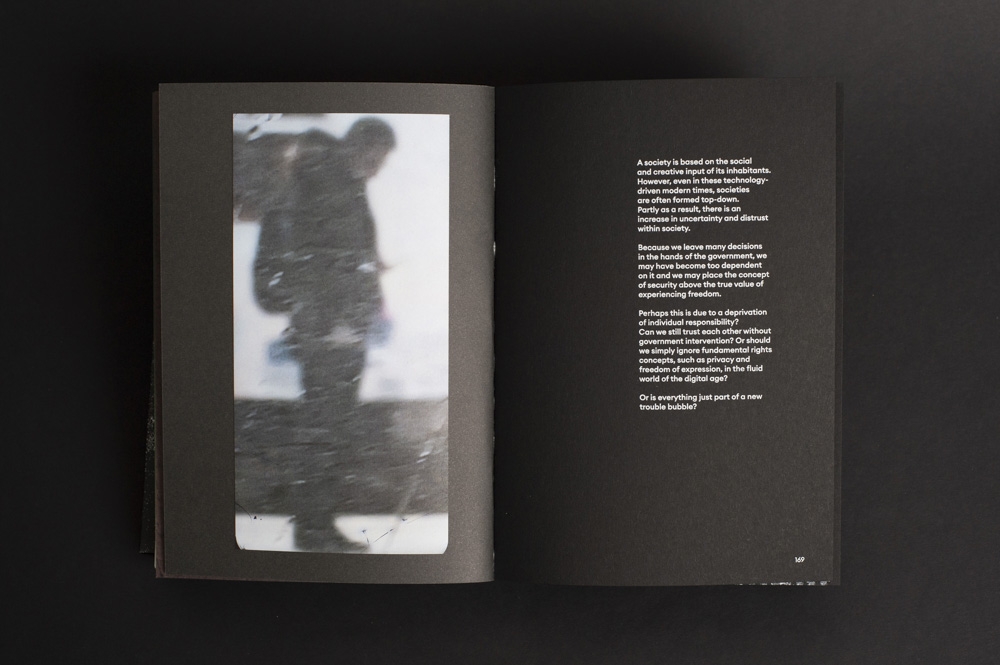
Several concrete moves make the project distinctive: printing camera data on a banknote-like stock (so surveillance traces feel like currency), a mirrored page that forces literal reflection, silver-foil emboss and visible spine-typography that reads as a manifesto line. These material decisions are not purely decorative — they build an experience where meaning is revealed through touch, light and sequence rather than through conventional captioning.
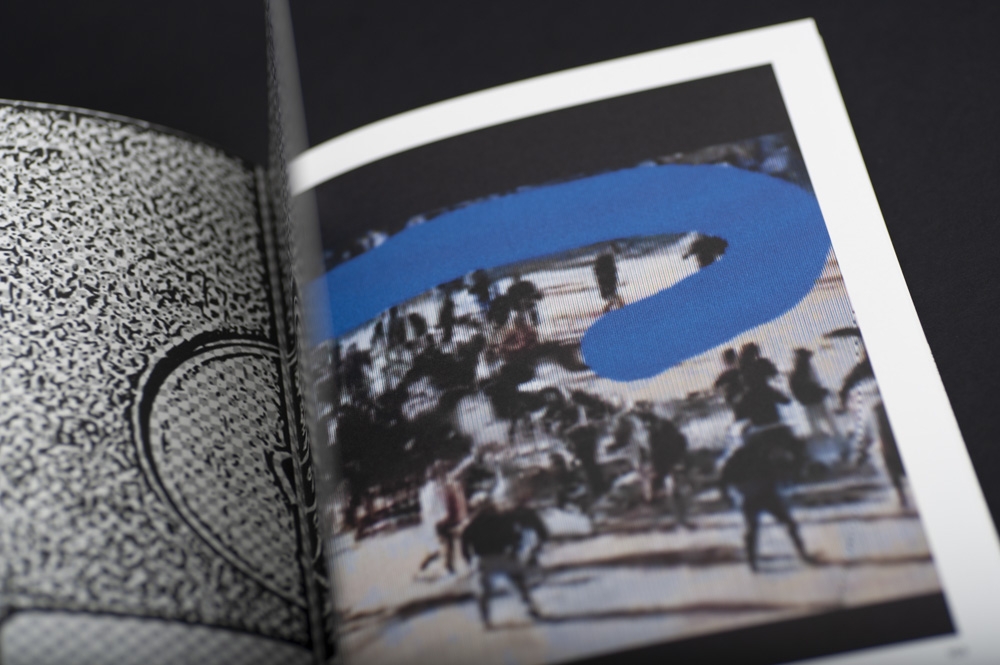
Design intent — thinking by constraint
The designer set a tight, evocative rule set: let form amplify theme. Instead of designing a neutral carrier for the artist’s work, the book becomes an active participant: its foil and mirror create moments of glare and concealment; its open spine interrupts the comfortable rhythm of page-turning; and the printed camera metadata turns familiar technical residue into a formal motif. The result is a design that challenges the reader’s behavior as much as it frames the artist’s images.
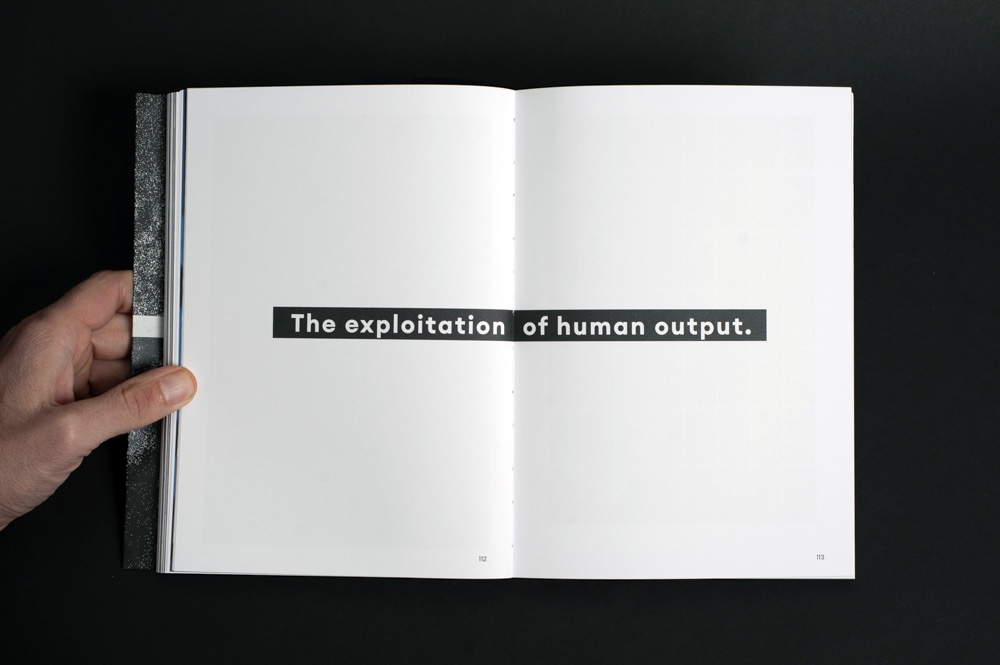
From research to idea — the collaboration backbone
The project began with a close collaboration between the artist and the design studio: field notes, image selection, and a short program of material experiments. The photographer’s prints (made with Maria Dabrowski) were tested at different scales and under different light to find which images needed the mirrored counterpoint or the banknote paper; screen-printed sections (Kurtface) add tactility and interrupt digital evenness with ink’s grain. That collaborative choreography — artist ↔ photographer ↔ designer ↔ printer — is visible on every spread.
Making — techniques that matter
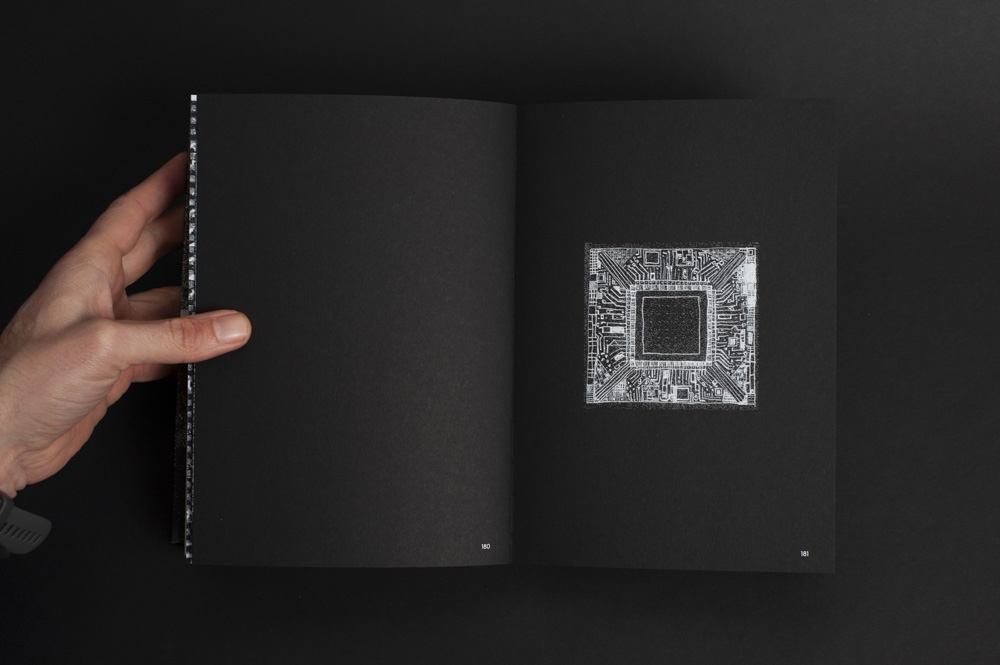
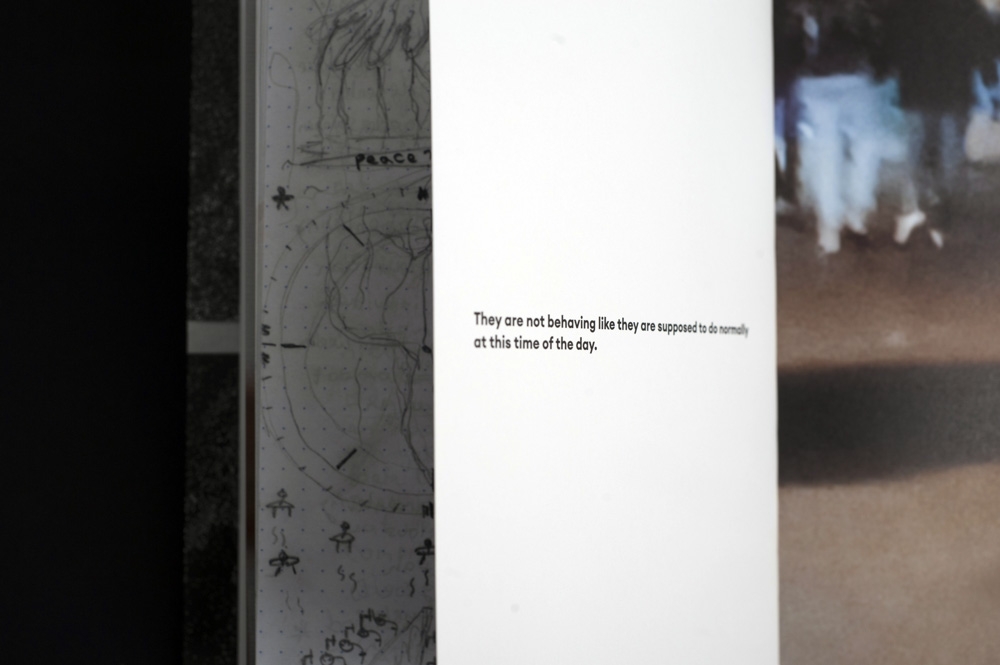
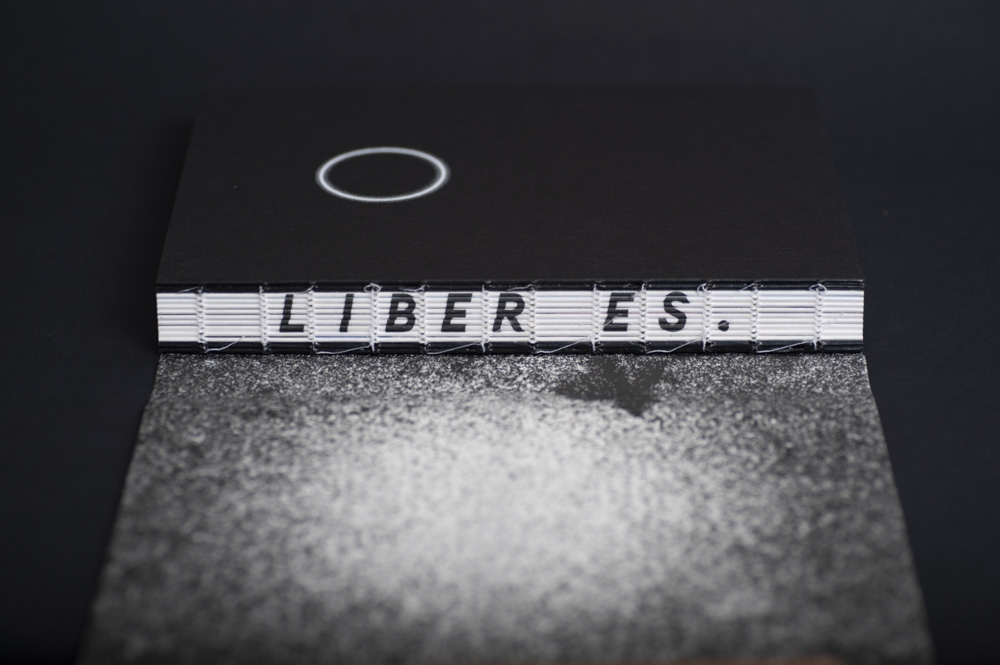
Technically the book mixes offset and screen printing, selective foil stamping, and a deliberate open binding that shows and names the spine typography. Paper choices were tuned for translucency and tactile weight so camera data printed on certain sheets reads faintly through to the next spread. A mirrored page is introduced at a narrative pivot to force reflection; foil and emboss are used sparingly to punctuate rather than overwhelm. These production choices make the edition feel handcrafted while remaining reproducible at small scale.
Edition, publication and distribution
Published in a limited run and produced with a mixed-process workflow, the book was released in early 2025 through a Dutch publisher and has been circulated with gallery tie-ins and events that present the book alongside works by the author. The limited-edition mindset (small runs, numbered copies) keeps the project within the realm of collectors and institutions while the design’s clarity made it competitive in international award circuits.
Reception — why juries rewarded it
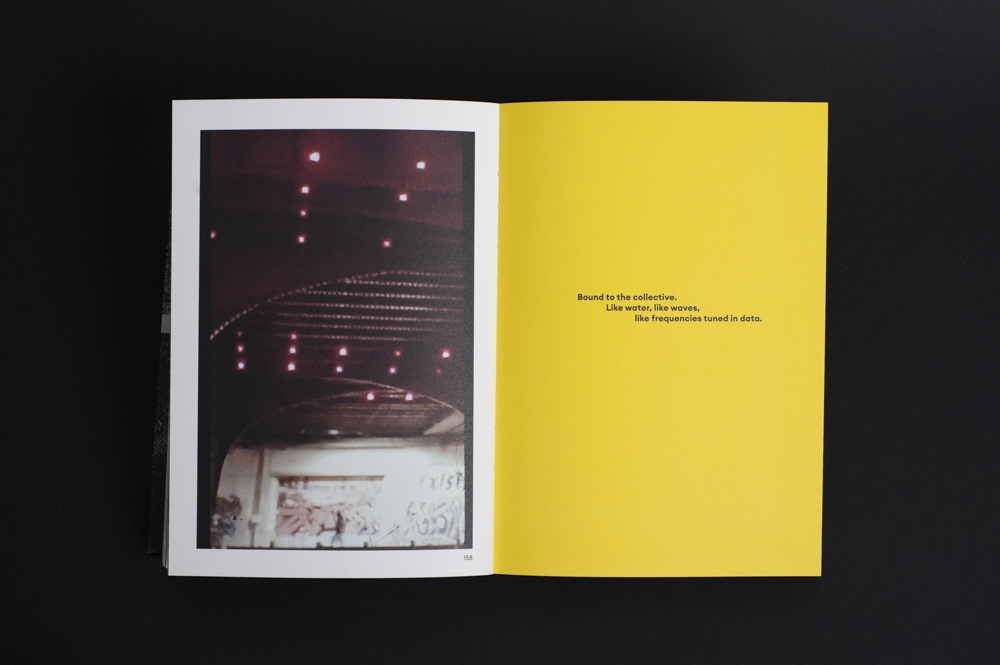
Juries cited the project’s ability to fuse concept and craft: the visual language extends the content’s critique and the production quality makes the idea legible in the hand. The Gold at the International Design Awards recognises both the editorial-smart choices (how images, metadata and material interact) and the craft execution (printing, binding, finishing). That double accomplishment—idea plus craft—is what separates a good art book from an award-winning one.
How to write about it on your own blog
Tell its story in three acts: (1) the problem space (surveillance, data and human agency), (2) the design move (mirror, open spine, camera data as motif), and (3) the making (screen print, foil, material testing). Use staged photography to show tactile details (foil closeups, spine, mirror page in use) and a short process strip (sketch → test print → final spread). Readers want both the idea and the evidence that the team built it carefully.
Curatorial & collecting angles
This book sits well in contemporary design or photography collections: it functions as an object for display (open on a plinth to show the mirror/spine relationship), as a reading object and as a conversation starter in exhibition contexts. For collectors, the limited nature and clear production credits make provenance easy to document and value to assess.
Design lessons — practical takeaways for students and studios
Use materials as argument: a paper choice can carry meaning as strongly as a paragraph.
Prototype tactile pivots early (mirrors, foil, open spines) — they behave differently in hand than on screen.
Keep craftsmanship visible: show who printed, who screened and who bound; collaboration strengthens claims.
Make the reader work a little — thoughtful friction can be a conceptual tool.
Document process thoroughly for awards and curatorial review — juries want to see method as well as result.
Official links for further reading:
https://www.idesignawards.com/winners/zoom.php?eid=9-61659-25 https://www.sophievankempen.com/just-another-trouble-bubble/