

What it is
The European Product Design Award is an international awards programme that spotlights outstanding product and industrial design, from consumer electronics to furniture, packaging and sustainable systems. It was created to recognize designers who improve everyday life through thoughtful, well-executed products.
Who runs it
The award is owned and managed within the awards network of Farmani Group — an organisation that runs multiple international creative prizes and publishes winners. That institutional backing matters because the award package is designed around promotion, publication and exhibition opportunities rather than just a trophy; organisers aim to amplify winners into European and international markets.
Categories & scope
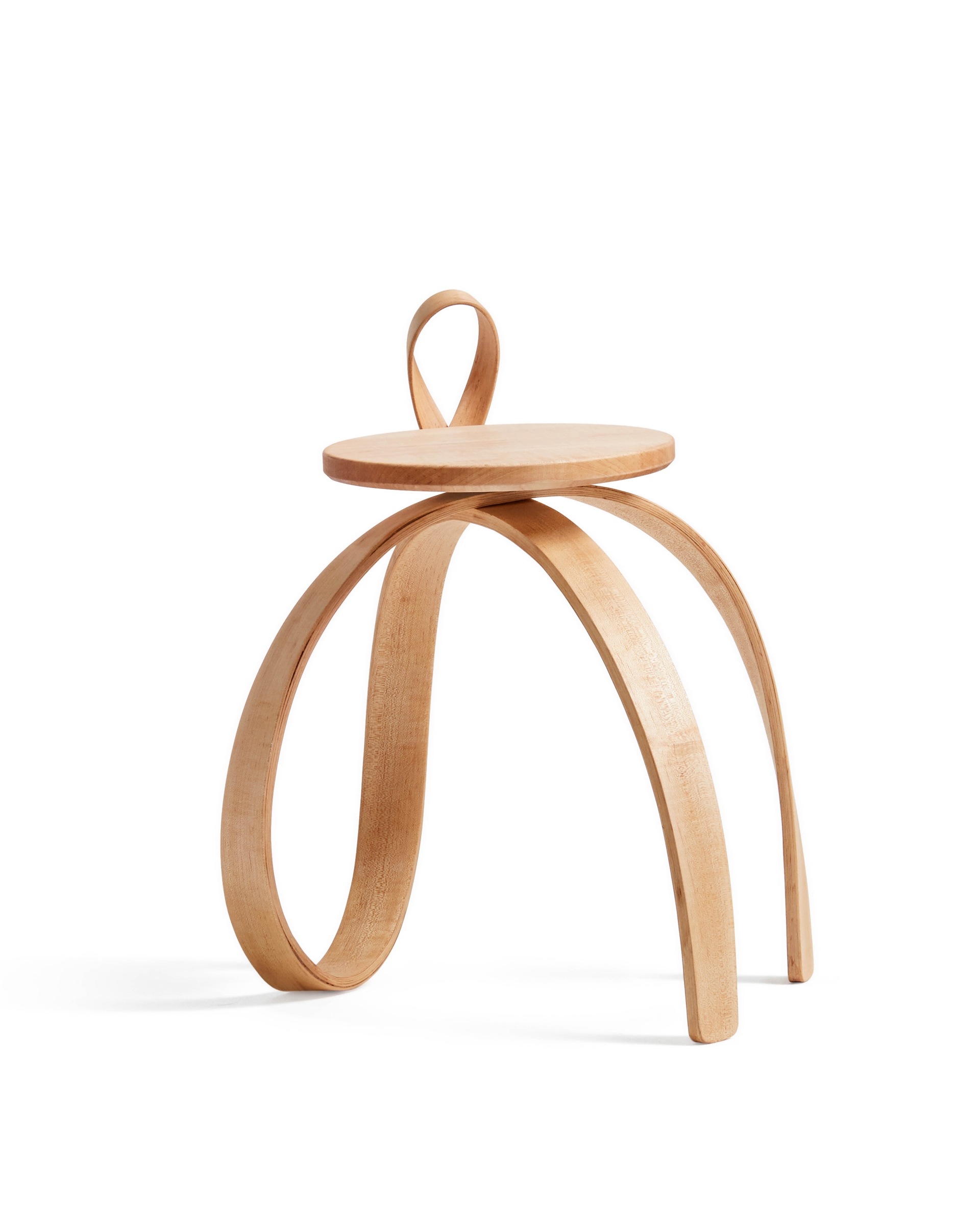
The programme accepts entries across hundreds of very specific categories (furniture, consumer electronics, transportation, sustainability, student work, etc.), which makes it suitable for both independent designers and studio/brand teams. There are separate routes for professionals and students and a wide category taxonomy so you can target a close match rather than a catch-all classification.
Why enter — the practical upside
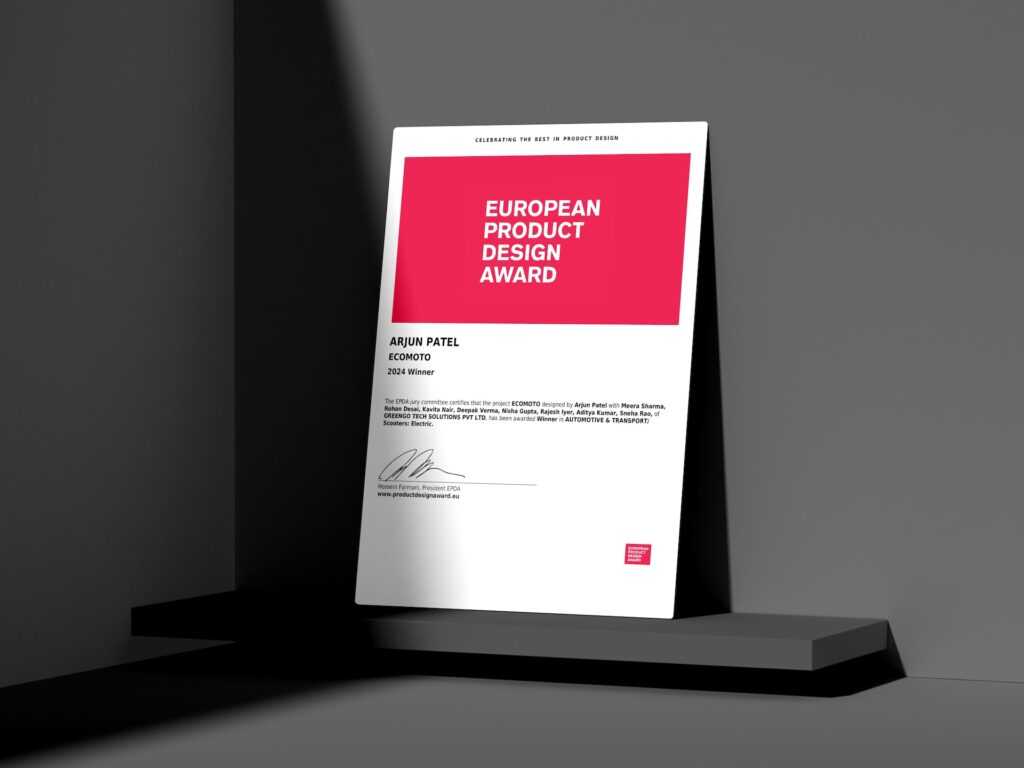
Winning gives you a package of promotional tools: an official winner’s seal for marketing, a certificate, a permanent online profile in the winners gallery, and invitations to award ceremonies or exhibitions. Those assets are explicitly designed to help winners attract clients, press and even investment — useful if you want the award to function as a business lever rather than a vanity trophy.
How the selection and jurying work
Entries are evaluated by a professional jury drawn from designers, academics and industry experts. Judging looks for design quality, innovation, function, contextual fit and — increasingly — sustainability evidence. Some categories may ask for technical documentation or certificates, so be ready to supply material data sheets or test results if you claim environmental benefits.
Entry logistics — what you need to prepare
A strong submission typically includes: high-resolution product photography (in context + detail shots), concise project text (problem → insight → design move → outcome), technical specs (materials, dimensions, manufacturing notes), and any test or sustainability documentation. The awards portal guides you step-by-step; fees are paid during submission processing. Check the competition’s FAQ for the latest payment and submission rules.
Deadlines & fees — plan like a product launch
Deadlines and pricing can change year to year; the award uses an annual calendar with early, standard and late deadlines. Fee structures and discounts (student rates, volume discounts) are published on the site and in the Info Guide — factor those dates into your production timetable so photography, prototyping and technical testing are ready before you submit. Treat the submission like a micro-campaign: good visuals and crisp storytelling take time.
What juries reward — practical scoring tips
Juries respond to clarity and evidence. A few tactical rules that raise your score:
Lead with the problem and measurable outcome. If your design saves material, state how much; if it improves ergonomics, show test results or user quotes.
Use photos that demonstrate scale and context — at least one image showing the product in real use.
Keep your copy tight: 150–300 words that hit problem → idea → solution → impact.
If you claim sustainability, attach data (material percentages, recyclability routes, certificates).
These small changes make entries easier to evaluate and harder to dismiss on first read.
How to structure your submission assets
Hero image (emotion + scale)
Secondary shots (details, assembly, exploded views)
Functional/usage photos (real people, real contexts)
Short project text (the 4-part narrative above)
Technical block (materials, dimensions, manufacturing notes)
Supplementary docs (test data, user feedback, patents)
Make it easy for the jury to verify a claim — they have many projects to review and will reward clarity and rigour.
Presentation & storytelling — make the jury’s life easy
Think like a curator: present one clear idea per image. Avoid overwhelming the PDF with text-heavy pages. Use captions to point out what matters (e.g., “reduced material by 23% through hollow ribbing”). Keep typography legible and label images with scale bars or dimensions so the jurors don’t have to infer size.
Common pitfalls — what kills an entry
Poor quality or ambiguous photos (no scale, no use context).
Overstated claims without proof (sustainability or performance assertions).
Choosing a category that poorly matches the product — put work where it fits best.
Submitting a concept stage project as a finished product (if the category requires production readiness). Avoid these and you’ll avoid quick rejections.
Making the most of a win — marketing and commercial moves
Winning is the start, not the finish. Use the winner’s seal on product pages, press kits and investor decks. Share the jury quote and winners gallery link in PR materials. Consider a follow-up case study that documents post-award traction (sales, press pickups, spec requests) — these metrics turn an award into concrete business value.

Cost vs. benefit — when entry fees make sense
Entry fees are an investment in credibility and exposure. For early-stage designers or products that need distribution, the PR and trust signals can pay off — but only if you treat the win as a marketing moment. If budget is tight, prioritise categories where you have the strongest case and best visual assets, and apply for student or volume discounts where available.
Strategy for studios and students
Studios: submit a polished, production-ready case with data on manufacturing and supply. Use multiple category entries for distinct product lines (but tailor each application).
Students: use the student category and emphasise concept testing, prototypes and learning outcomes; many jurors reward rigorous process even if scale is small. Look for mentorship or promotional packages winners may offer.
Checklist before you hit Submit
Clear category chosen and rules checked.
Hero image + 4 supporting images (context + detail).
Concise project narrative (problem → design → outcome).
Technical datasheet and any test/cert docs.
Budget for entry fee + ceremony/winner package if relevant.
Plan for post-win marketing (press release, shots licensed for usage).
Official links for further reading:
https://www.productdesignaward.eu/
https://www.productdesignaward.eu/benefits/
https://www.productdesignaward.eu/docs/2025_EPDA_InfoGuide.pdf